| Time | Description | ||||||||||||||||||||||||||||||||||||||||||||||||||||||
|---|---|---|---|---|---|---|---|---|---|---|---|---|---|---|---|---|---|---|---|---|---|---|---|---|---|---|---|---|---|---|---|---|---|---|---|---|---|---|---|---|---|---|---|---|---|---|---|---|---|---|---|---|---|---|---|
| BCE | |||||||||||||||||||||||||||||||||||||||||||||||||||||||
| Indus Valley Tradition | |||||||||||||||||||||||||||||||||||||||||||||||||||||||
| c. 10000 | Foraging – Mesolithic and Microlithic | ||||||||||||||||||||||||||||||||||||||||||||||||||||||
| c. 7000 | First permanent settlement - Early production Era - Mehargarh phase (http://archaeology.up.nic.in/doc/mn_jfj.pdf) |
||||||||||||||||||||||||||||||||||||||||||||||||||||||
| c. 5500 – 2600 | Reginalization Era – Early Harappan Phases, Ravi, Hakra, Sheri Khan Tarakai, Balakot, Amri, Kot Dijji, Sothi http://www.harappa.com/indus2/index.html |
||||||||||||||||||||||||||||||||||||||||||||||||||||||
| c. 4300 | First use of copper | ||||||||||||||||||||||||||||||||||||||||||||||||||||||
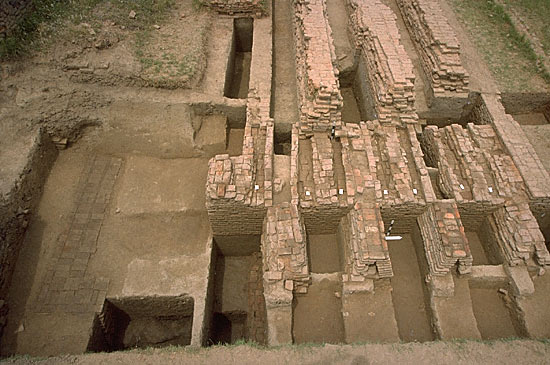
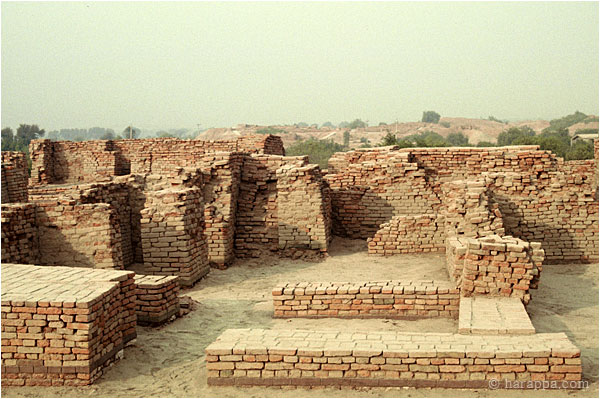
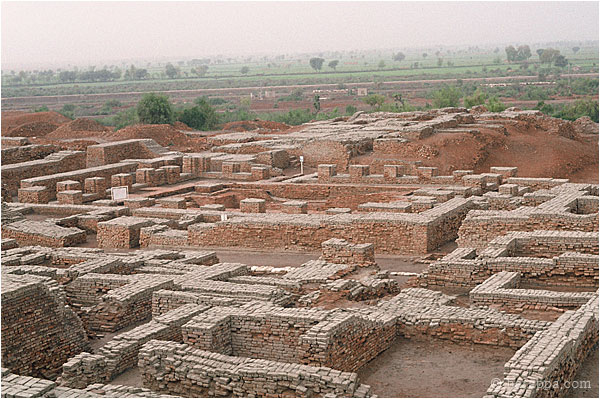
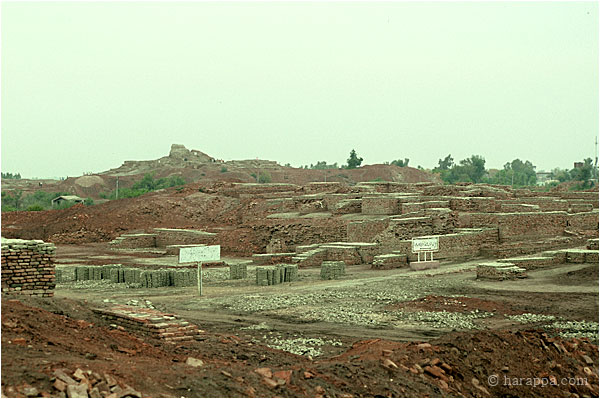
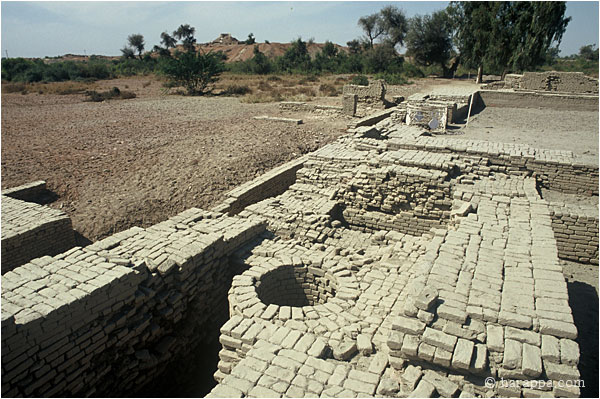
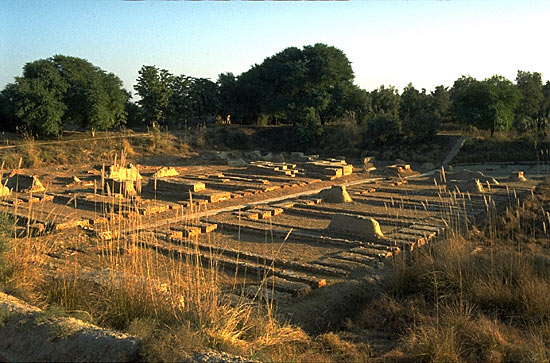
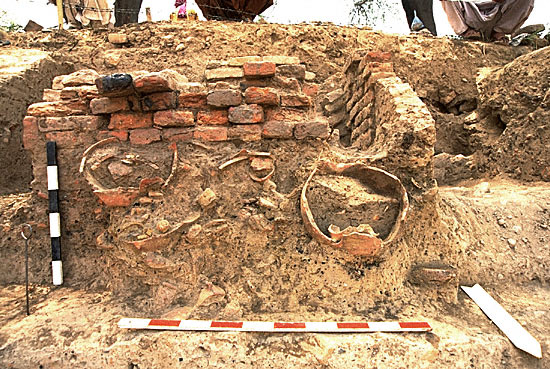
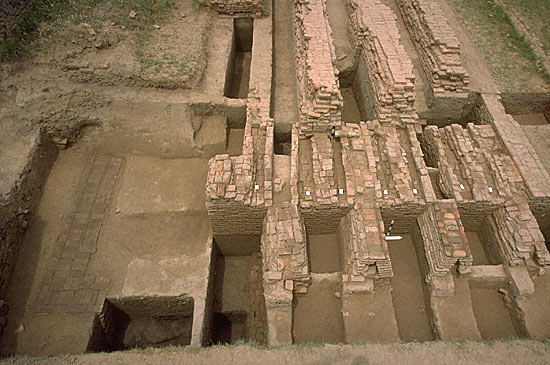
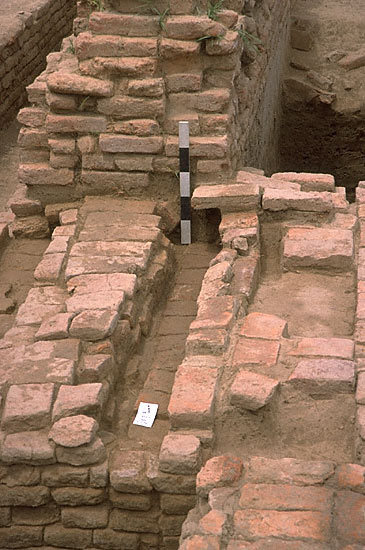
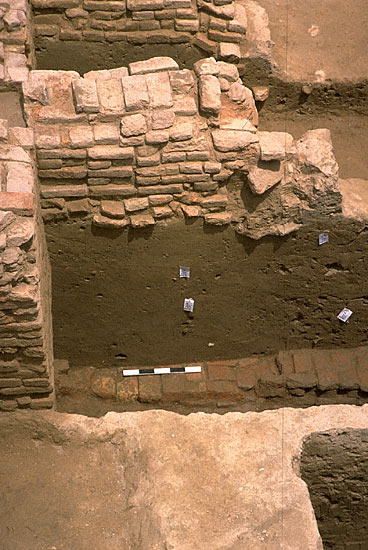
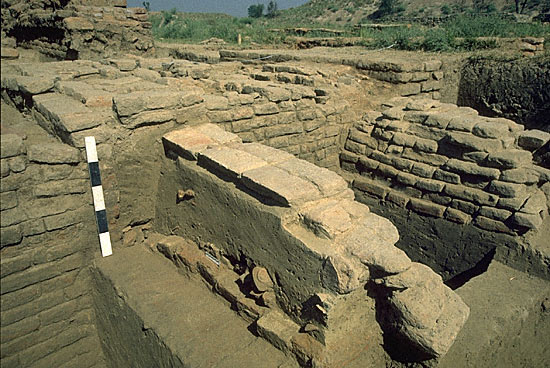
| c. 3200 | Harappa Civilization Periods of Harappan Civilization (Kenoyer 2008)
|
||||||||||||||||||||||||||||||||||||||||||||||||||||||
| c.2000–1000 | Aryan Invasion – India gone to pastoralism. Small hamlets .. accross saraswati river. Spread of Aryan ways (Village and Varna System) eastwards to Ganges (including Brahminical religion (Varna System), Vedic language); composition of Rig Veda |
||||||||||||||||||||||||||||||||||||||||||||||||||||||
| c. 1300 | Disappearance of the Sarasvati river | ||||||||||||||||||||||||||||||||||||||||||||||||||||||
| c. 1000 | First use of iron | ||||||||||||||||||||||||||||||||||||||||||||||||||||||
| c.1000–550 | Spread of Aryan world (Varna system) across North India; formation of oligarchiesand kingdoms; composition of Brahmanas |
||||||||||||||||||||||||||||||||||||||||||||||||||||||
| c. 700–500 | First wave of religious speculation; composition of Aranyakasand Upanishads | ||||||||||||||||||||||||||||||||||||||||||||||||||||||
| c. 550 | Emergence of Gangetic urban civilization | ||||||||||||||||||||||||||||||||||||||||||||||||||||||
| c. 550–350 | Second wave of religious speculation; of Buddhismand Jainism; rise of Magadha |
||||||||||||||||||||||||||||||||||||||||||||||||||||||
| c. 325–185 | Mauryan dynasty (Magadha) | ||||||||||||||||||||||||||||||||||||||||||||||||||||||
| c. 272–235 | Reign of Ashoka Maurya | ||||||||||||||||||||||||||||||||||||||||||||||||||||||
| 3rd century BCE– 3rdcentury CE | Foreign kings in Northwest (including Kanishka) | ||||||||||||||||||||||||||||||||||||||||||||||||||||||
| 1st century BCE– 3rdcentury CE | Satavahana or Andhra dynasty (Deccan) | ||||||||||||||||||||||||||||||||||||||||||||||||||||||
| CE | |||||||||||||||||||||||||||||||||||||||||||||||||||||||
| 1st–3rd centuries | Probable composition of Shangam literature | ||||||||||||||||||||||||||||||||||||||||||||||||||||||
| 1st millennium | Completion of Mahabharata and Ramayana; consolidation ofHinduism | ||||||||||||||||||||||||||||||||||||||||||||||||||||||
| c. 320–550 | Gupta dynasty (North India) | ||||||||||||||||||||||||||||||||||||||||||||||||||||||
| c. 375–415 | Reign of Chandra Gupta II | ||||||||||||||||||||||||||||||||||||||||||||||||||||||
| 6th–11th centuries | Pallava dynasty (Tamil country) | ||||||||||||||||||||||||||||||||||||||||||||||||||||||
| 6th century–1310 | Pandya dynasty (Tamil country) | ||||||||||||||||||||||||||||||||||||||||||||||||||||||
| 606–647 | Reign of Harshavardhana (North India) | ||||||||||||||||||||||||||||||||||||||||||||||||||||||
| 636 or 644 | Muslim Arab attack on pirates near Bombay | ||||||||||||||||||||||||||||||||||||||||||||||||||||||
| 644 | Arab conquest of Balochistan | ||||||||||||||||||||||||||||||||||||||||||||||||||||||
| 711–713 | Arab conquest of Sindh | ||||||||||||||||||||||||||||||||||||||||||||||||||||||
| 743–974 | Rashtrakuta dynasty (Deccan) | ||||||||||||||||||||||||||||||||||||||||||||||||||||||
| c. 750–1161 | Pala dynasty (Bengal) | ||||||||||||||||||||||||||||||||||||||||||||||||||||||
| 9th century–1019 | Gurjara-Pratihara dynasty (North India) | ||||||||||||||||||||||||||||||||||||||||||||||||||||||
| 9th century–1310 | Chola dynasty (Tamil country) | ||||||||||||||||||||||||||||||||||||||||||||||||||||||
| 962–1186 | Ghaznawid dynasty (Afghanistan) | ||||||||||||||||||||||||||||||||||||||||||||||||||||||
| 997–1030 | Reign of Mahmud the Ghaznawid; raids into India | ||||||||||||||||||||||||||||||||||||||||||||||||||||||
| 11th century– 1194 | Gaharwar dynasty (North India) | ||||||||||||||||||||||||||||||||||||||||||||||||||||||
| c. 1097–1223 | Sena dynasty (Bengal) | ||||||||||||||||||||||||||||||||||||||||||||||||||||||
| 12th century–1215/16 | Ghauri dynasty (Afghanistan) | ||||||||||||||||||||||||||||||||||||||||||||||||||||||
| 1192–1206 | Ghauri conquest of North India | ||||||||||||||||||||||||||||||||||||||||||||||||||||||
| 1206–1526 | Sultanate of Delhi | ||||||||||||||||||||||||||||||||||||||||||||||||||||||
| 1223–1224 | First Mongol invasion of South Asia | ||||||||||||||||||||||||||||||||||||||||||||||||||||||
| 1296–1324 | Ala ud-Din Khalji and Ghiyas ud-Din Tughluq of Delhi subjugate most ofIndia | ||||||||||||||||||||||||||||||||||||||||||||||||||||||
| 1330s–1340s | Sultanate of Delhi loses Bengal and south India (Vijayanagara, Bahmanisultanate) | ||||||||||||||||||||||||||||||||||||||||||||||||||||||
| 1398 | Sack of Delhi by Temür; collapse of sultanate of Delhi | ||||||||||||||||||||||||||||||||||||||||||||||||||||||
| 1451–1526 | Reunification of North India by Lodi sultans of Delhi | ||||||||||||||||||||||||||||||||||||||||||||||||||||||
| 1469–1539 | Lifetime of Nanak | ||||||||||||||||||||||||||||||||||||||||||||||||||||||
| 1526–1857 | Mughal dynasty | ||||||||||||||||||||||||||||||||||||||||||||||||||||||
| 1565 | Defeat and collapse of Vijayanagara | ||||||||||||||||||||||||||||||||||||||||||||||||||||||
| 1556–1605 | Reign of Akbar | ||||||||||||||||||||||||||||||||||||||||||||||||||||||
| 1600 | Foundation of English East India Company | ||||||||||||||||||||||||||||||||||||||||||||||||||||||
| 1628–1658 | Reign of Shah Jahan; conquest of Ahmadnagar; construction of TajMahal and Shahjahanabad (Old Delhi) |
||||||||||||||||||||||||||||||||||||||||||||||||||||||
| 1658–1707 | Reign of Aurangzeb; war with Marathas; conquest of South India | ||||||||||||||||||||||||||||||||||||||||||||||||||||||
| 1699 | Foundation of Khalsa | ||||||||||||||||||||||||||||||||||||||||||||||||||||||
| 1719–1748 | Reign of Muhammad Shah; disintegration of Mughal empire; Marathasbecome dominant power in South Asia |
||||||||||||||||||||||||||||||||||||||||||||||||||||||
| 1739 | Sack of Delhi by Nadir Shah | ||||||||||||||||||||||||||||||||||||||||||||||||||||||
| 1750s | Rise of Mysore | ||||||||||||||||||||||||||||||||||||||||||||||||||||||
| 1757 | Siraj ud-Daula of Bengal defeated by East India Company at Battle of Plassey | ||||||||||||||||||||||||||||||||||||||||||||||||||||||
| 1761 | Marathas defeated by Afghans at Battle of Panipat | ||||||||||||||||||||||||||||||||||||||||||||||||||||||
| 1765 | East India Company appointed diwan of Bengal and Bihar | ||||||||||||||||||||||||||||||||||||||||||||||||||||||
| 1798–1846 | East India Company establishes supremacy over almost all of India | ||||||||||||||||||||||||||||||||||||||||||||||||||||||
| 1799–1839 | Ranjit Singh ruler of Sikh empire | ||||||||||||||||||||||||||||||||||||||||||||||||||||||
| 1856 | First steam-powered cotton mill in India | ||||||||||||||||||||||||||||||||||||||||||||||||||||||
| 1857 | Great revolt against British rule | ||||||||||||||||||||||||||||||||||||||||||||||||||||||
| 1858 | Transfer of control from East India Company to British Crown | ||||||||||||||||||||||||||||||||||||||||||||||||||||||
| 1885 | Foundation of Indian National Congress | ||||||||||||||||||||||||||||||||||||||||||||||||||||||
| 1905 | Partition of Bengal | ||||||||||||||||||||||||||||||||||||||||||||||||||||||
| 1906 | Foundation of All-India Muslim League | ||||||||||||||||||||||||||||||||||||||||||||||||||||||
| 1909–1910 | Morley-Minto Reforms | ||||||||||||||||||||||||||||||||||||||||||||||||||||||
| 1912 | Capital moved from Calcutta to New Delhi | ||||||||||||||||||||||||||||||||||||||||||||||||||||||
| 1914–1918 | World War I | ||||||||||||||||||||||||||||||||||||||||||||||||||||||
| 1916 | Lucknow Pact | ||||||||||||||||||||||||||||||||||||||||||||||||||||||
| 1919 | Montagu-Chelmsford Reforms; Rowlatt Acts; Amritsar Massacre; beginningof Khilafat movement |
||||||||||||||||||||||||||||||||||||||||||||||||||||||
| 1920 | Mahatma Gandhi enters politics; starts noncooperation satyagraha; becomesleader of Indian National Congress |
||||||||||||||||||||||||||||||||||||||||||||||||||||||
| 1922 | End of noncooperation satyagraha | ||||||||||||||||||||||||||||||||||||||||||||||||||||||
| 1927–1928 | Simon Commission | ||||||||||||||||||||||||||||||||||||||||||||||||||||||
| 1929–1931 | Collapse of Indian agricultural prices | ||||||||||||||||||||||||||||||||||||||||||||||||||||||
| 1930–1933 | Salt Tax satyagraha | ||||||||||||||||||||||||||||||||||||||||||||||||||||||
| 1930–1932 | Round Table Conferences | ||||||||||||||||||||||||||||||||||||||||||||||||||||||
| 1935 | Government of India Act passed | ||||||||||||||||||||||||||||||||||||||||||||||||||||||
| 1937 | First elections under the 1935 Act | ||||||||||||||||||||||||||||||||||||||||||||||||||||||
| 1939–1945 | World War II | ||||||||||||||||||||||||||||||||||||||||||||||||||||||
| 1940 | Muslim League endorses creation of Muslim states | ||||||||||||||||||||||||||||||||||||||||||||||||||||||
| 1942–1943 | Quit India rebellion | ||||||||||||||||||||||||||||||||||||||||||||||||||||||
| 1947 | Partition and independence; Jawaharlal Nehru prime minister | ||||||||||||||||||||||||||||||||||||||||||||||||||||||
| 1947–1948 | First Indo-Pakistani war | ||||||||||||||||||||||||||||||||||||||||||||||||||||||
| 1948–1949 | Merger of kingdoms of “Indian India” | ||||||||||||||||||||||||||||||||||||||||||||||||||||||
| 1948 | Assassination of Mahatma Gandhi | ||||||||||||||||||||||||||||||||||||||||||||||||||||||
| 1950 | Constitution in effect; beginning of creation of Nehruvian economy | ||||||||||||||||||||||||||||||||||||||||||||||||||||||
| 1952 | First Lok Sabha election; Congress wins majority | ||||||||||||||||||||||||||||||||||||||||||||||||||||||
| 1957 | Second Lok Sabha election; Congress wins majority | ||||||||||||||||||||||||||||||||||||||||||||||||||||||
| 1962 | Third Lok Sabha election; Congress wins majority; war with China | ||||||||||||||||||||||||||||||||||||||||||||||||||||||
| 1964 | Death of Jawaharlal Nehru; Lal Bahadur Shastri becomes prime minister | ||||||||||||||||||||||||||||||||||||||||||||||||||||||
| 1965 | Second Indo-Pakistani war; beginning of Green Revolution | ||||||||||||||||||||||||||||||||||||||||||||||||||||||
| 1966 | Death of Lal Bahadur Shastri; Indira Gandhi becomes prime minister | ||||||||||||||||||||||||||||||||||||||||||||||||||||||
| 1967 | Fourth Lok Sabha election; Congress wins majority | ||||||||||||||||||||||||||||||||||||||||||||||||||||||
| 1969 | Split of Indian National Congress | ||||||||||||||||||||||||||||||||||||||||||||||||||||||
| 1971 | Fifth Lok Sabha election; Congress (R) wins majority; third Indo-Pakistaniwar | ||||||||||||||||||||||||||||||||||||||||||||||||||||||
| 1974 | Successful tests of nuclear explosives | ||||||||||||||||||||||||||||||||||||||||||||||||||||||
| 1975–1977 | The Emergency | ||||||||||||||||||||||||||||||||||||||||||||||||||||||
| 1977 | Sixth Lok Sabha election; Janata Party wins majority | ||||||||||||||||||||||||||||||||||||||||||||||||||||||
| 1980 | Seventh Lok Sabha election; Congress (I) wins majority; Indira Gandhireturns as prime minister |
||||||||||||||||||||||||||||||||||||||||||||||||||||||
| 1983–1993 | Militants’ campaign in Punjab | ||||||||||||||||||||||||||||||||||||||||||||||||||||||
| 1984 | Army attacks Golden Temple complex; assassination of Indira Gandhi; RajivGandhi becomes prime minister; eighth Lok Sabha election; Congress (I) winsmajority |
||||||||||||||||||||||||||||||||||||||||||||||||||||||
| 1987–1991 | Indian intervention in Sri Lanka | ||||||||||||||||||||||||||||||||||||||||||||||||||||||
| 1989 | Ninth Lok Sabha election; Congress (I) wins plurality, but National Frontforms government; beginning of militants’ campaign in Kashmir |
||||||||||||||||||||||||||||||||||||||||||||||||||||||
| 1990–1992 | Militants’ campaign in Assam | ||||||||||||||||||||||||||||||||||||||||||||||||||||||
| 1991 | Assassination of Rajiv Gandhi; tenth Lok Sabha election; Congress (I) winsplurality; P.V. Narasimha Rao becomes prime minister; beginning ofeconomic liberalization |
||||||||||||||||||||||||||||||||||||||||||||||||||||||
| 1992 | Destruction of Babri Masjid | ||||||||||||||||||||||||||||||||||||||||||||||||||||||
| 1996 | Eleventh Lok Sabha election; BJP wins plurality, but United Front formsgovernment | ||||||||||||||||||||||||||||||||||||||||||||||||||||||
| 1998 | Twelfth Lok Sabha election; BJP wins plurality; Atal Bihari Vajpayee becomesprime minister; successful tests of nuclear weapons |
||||||||||||||||||||||||||||||||||||||||||||||||||||||
| 1999 | Expulsion of infiltrators in Kashmir; thirteenth Lok Sabha election; BJP winsplurality |
||||||||||||||||||||||||||||||||||||||||||||||||||||||
| 2001 | Census confirms that India’s population exceeds 1 billion | ||||||||||||||||||||||||||||||||||||||||||||||||||||||




comment closed